
Expert Tampa Shoe Stitching Repair at Shoe Magic by Carlos
Footwear endures significant stretching and bending that can eventually cause original factory threads to snap. When these seams split open, dirt and moisture can easily penetrate the interior lining of your favorite pair. We focus on meticulously restitching these vulnerable areas to prevent the tear from expanding further across the upper.
Color Matching and Thread Selection
Choosing the correct thread tension and color is crucial for a discreet and durable repair. We strive to blend our replacement threads with the existing design to maintain the shoe's aesthetic integrity. However, due to fading and factory-specific materials, a flawless visual match is not always guaranteed.
Reinforcing Leather and Synthetic Materials
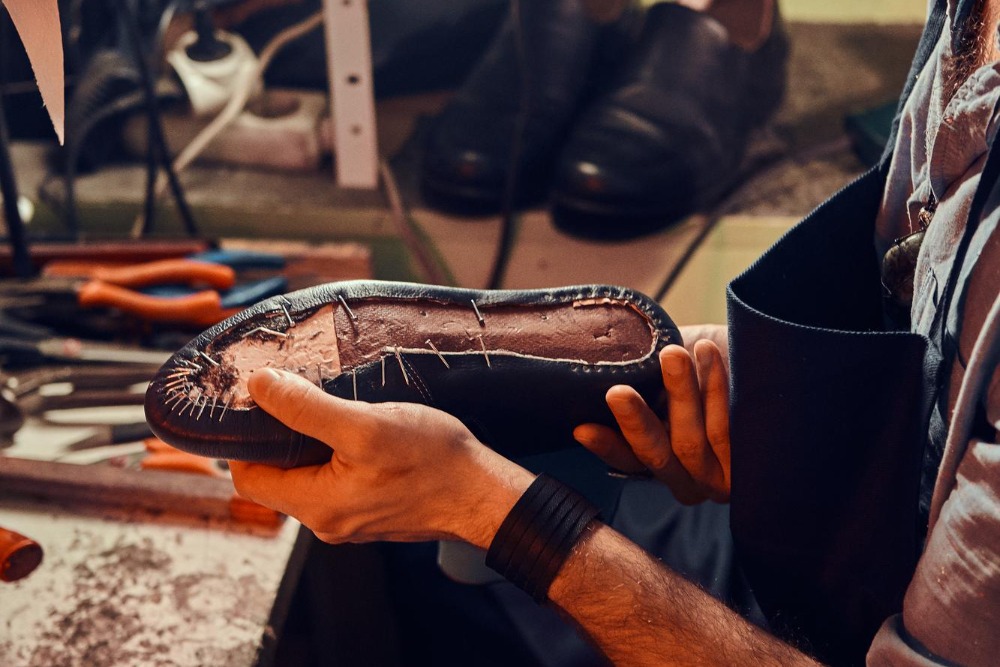
Not all rips occur cleanly along a preexisting seam or stitched line. Sometimes the actual leather or synthetic material tears, requiring us to patch and sew over the damaged section. By anchoring the compromised area to a sturdy backing, we aim to restore functional strength to the footwear.

Repairing split back-seams near the heel counter

Mending torn straps on sandals and dress shoes

Securing loose hardware and decorative buckles
Top 10 Tampa Shoe Stitching Repair FAQs
1. Can you fix a rip in the middle of the leather?
Tears that happen outside of a seam usually require patching the area from the inside before stitching over the top. This technique adds strength but will leave a visible scar where the mending occurred. We try to make this intervention as neat as possible, though the original smooth appearance cannot be fully recovered.
2. Will the new stitching match the old thread exactly?
3. Is it possible to restitch a sole that is pulling away?
4. How long does a typical stitching repair take?
5. Will restitching make my shoes waterproof?
6. Can you fix torn mesh on athletic sneakers?
Woven nylon and breathable mesh materials are notoriously difficult to mend once the fibers unravel. We can sometimes apply a supportive backing and zig-zag stitch over small holes to stop them from growing. The resulting repair is highly visible, and results vary based on the fragility of the surrounding mesh.